Waterfront Yoga & Meditation Sanctuary in Brussels Canal District
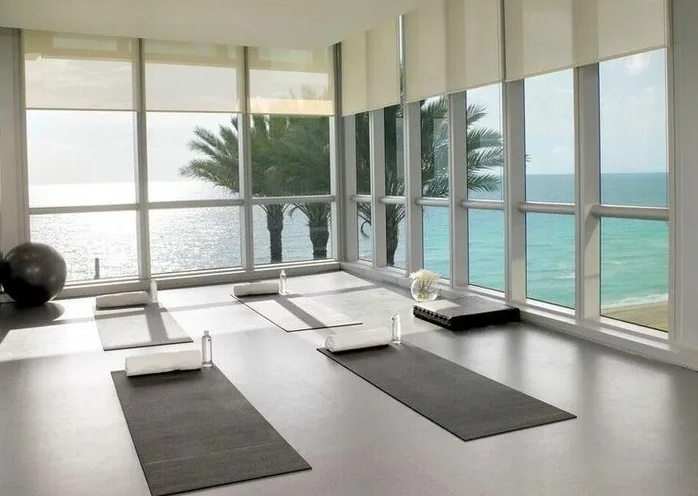
Nested at the edge of the canal in the lively Dansaert neighborhood, this studio was designed as a quiet inner harbor for people who need to slow down without leaving the city. Floor‑to‑ceiling windows open onto reflective water, moored boats, and walking paths, turning each practice into a subtle dialogue between body, breath, and the gentle rhythm of the canal’s current. Soft lighting, textured natural materials, and acoustically balanced rooms create a cocoon‑like atmosphere where footsteps, voices, and traffic fade into the background, letting you sink into stillness even on the busiest day. Classes are intentionally paced and limited in size so that every session feels intimate, spacious, and guided with attention rather than speed.
The studio brings together teachers who specialize in calm, introspective forms of yoga, breathwork, and guided meditation. Mornings feature gentle flow and sunrise practices that mirror the canal’s soft light, while evenings highlight restorative sessions and sound journeys curated to help you unwind from digital overload, physical tension, and mental noise. Whether you are stepping onto the mat for the first time or returning after years of practice, the intention here remains the same: to hold space for subtle transformation—through consistency, patience, and a deep respect for how the nervous system responds to movement, sound, and silence.
Between classes, guests can stay in the lounge area overlooking the water, sipping warm herbal infusions and journaling while lanterns flicker against the canal. Quiet reading corners, floor cushions, and low tables invite you to stay offline for a while. Instead of offering quick fixes, this studio emphasizes sustainable rituals: micro‑meditation sequences that can fit into workdays, simple stretches for sedentary bodies, and breathing patterns that can be used in meetings, commutes, or before sleep. Each detail—from the understated scent in the practice rooms to the curated playlists—has been designed to support long‑term nervous system balance rather than short bursts of intensity.
Studio Advantages
The studio offers a distinctive mix of qualities that are rare to find in a dense urban environment. Located directly along the water, the practice rooms are oriented so that natural daylight, canal reflections, and quiet backstreet views frame every sequence. This proximity to the canal shapes the rhythm of the classes, encouraging slower transitions, longer exhalations, and a more deliberate approach to movement. Mat spacing is generous, allowing you to lie down, stretch, or meditate without feeling observed or crowded, and teachers maintain a low‑voice, non‑performative atmosphere throughout each session. People often describe the experience here as “stepping sideways” out of city time, into a corridor of gentle focus where everything feels unhurried yet grounded.
Another advantage lies in the way classes are curated rather than merely scheduled. Instead of rotating random styles, each teacher focuses on a small set of practices they know deeply: slow hatha with mindful alignment, restorative and yin sequences aimed at connective tissue recovery, nidra‑based meditations for deep rest, and breath‑led flows that integrate simple pranayama and somatic awareness. This specialization makes sessions predictable in the best way—guests quickly learn how each teacher approaches pacing, touch, and verbal cues, which in turn builds trust and consistency. The studio also incorporates short canal‑side walking meditations and balcony pauses between classes, using the immediate environment to anchor attention in the senses rather than in screens or notifications.
Beyond the mat, the studio places strong emphasis on accessibility and sustainability. Pricing is transparent with clearly stated options for drop‑ins, multi‑class passes, and longer memberships, and there are dedicated low‑sensory sessions for those who prefer minimal music, dimmed lighting, and fewer visual cues. Materials in the space—from cork blocks and organic cotton bolsters to refillable glass bottles—have been selected with durability and ecological impact in mind. Simple rituals such as communal tea service, barefoot entry zones, and device‑free practice rooms support a culture of respect and presence. Taken together, these advantages turn each visit into an opportunity not only to move, but to recalibrate how you inhabit the city and relate to your own internal tides.
About the Waterfront Space
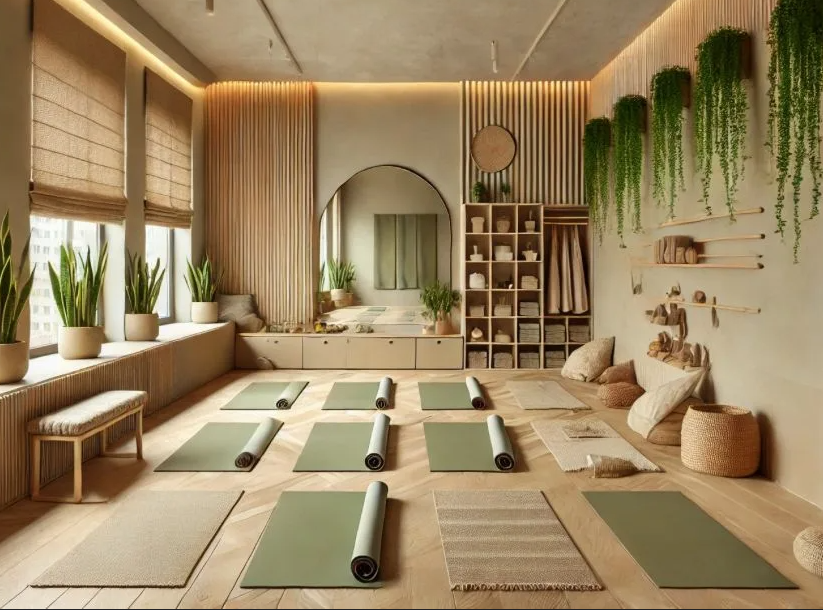
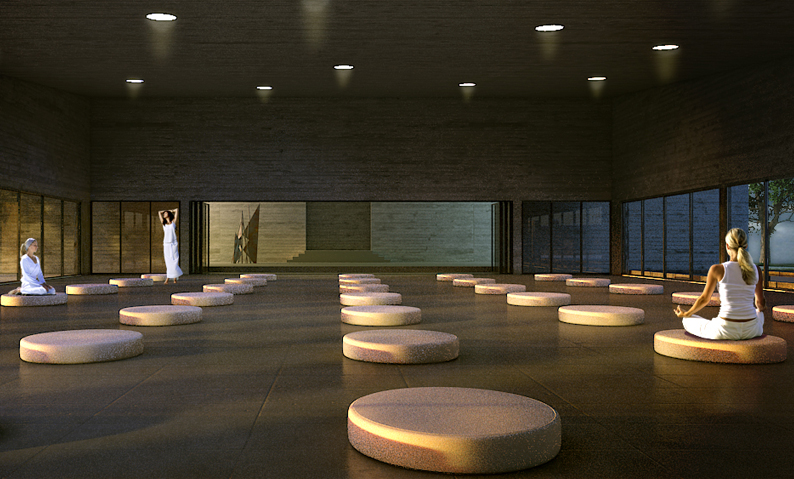
This canal‑side sanctuary grew out of a simple observation: many people in Brussels move through their days in a continuous stream of tasks, digital alerts, and social noise, yet their bodies and minds rarely receive truly restorative attention. A small group of yoga teachers, meditation facilitators, and space designers came together to shape a studio that responds to this reality with gentleness rather than urgency. They chose the Dansaert canal zone for its unique blend of movement and quiet—a place where cargo barges glide past, cyclists cross bridges, and water birds drift in slow arcs—because these subtle dynamics help visitors reconnect with rhythms of nature even while staying in the city core. Every architectural choice, from the low seating to the warm, indirect lighting, was made to soften edges and invite exhale.
The team behind the studio shares a common intention: to create a space where people can learn to listen gently to their own nervous systems instead of forcing themselves into abstract notions of “performance” or “perfection.” Teachers are trained not only in alignment and sequencing but in trauma‑sensitive cues, consent for physical adjustments, and language that respects the diversity of bodies and experiences. Guests will notice that there is no pressure to push into advanced postures or to match the flexibility of others; instead, each class emphasizes grounded breathing, easy‑to‑adapt variations, and a slow progression that welcomes all levels. The studio regularly hosts reflective circles, canal‑view meditations, and themed evenings that explore how stress, rest, and creativity intersect in contemporary urban life.
Over time, the waterfront space has evolved into more than a set of practice rooms. It has become a community hub for people who value quiet connection, depth of conversation, and shared learning about self‑care. Artists and facilitators occasionally offer gentle sound journeys, journal prompts, or minimalist exhibitions that support contemplation rather than spectacle. Guests are encouraged to visit not only when they need relief, but as part of a recurring ritual that sustains balance during demanding work schedules. In this way, the studio stands as a living reminder that softness, slowness, and attentive breathing can coexist with productivity, ambition, and urban pace—and that the canal’s calm surface can be an everyday teacher in how to move with more ease.
Classes, Rituals & Programs
The studio offers a carefully woven collection of classes that respond to the realities of modern city living. Slow flow sessions provide fluid, accessible movement for bodies that spend long hours at desks, focusing less on acrobatics and more on joint mobility, breath synchronization, and sensory awareness. Gentle hatha classes emphasize alignment in an unhurried way, using props, wall support, and clear cues to make each posture feel stable and spacious. Restorative sequences invite you to rest over bolsters, cushions, and blankets for extended periods, letting the nervous system gradually down‑regulate while the canal’s soft ambience filters through the windows. For those who seek deep rest, nidra‑style meditations are offered in the evenings, guiding you into a state between waking and sleep where the mind can finally let go of constant analysis.
Beyond regular classes, there are curated micro‑rituals and thematic programs that support long‑term wellbeing. Morning canal‑view sessions combine simple stretches, breath practice, and intention‑setting to gently start the day, while lunch‑break resets focus on releasing shoulder and neck tension from computer work. Sunset gatherings may include sound bath elements, candlelight meditations, or guided body scans designed to help you transition from work mode into restorative evening time. Weekend programs often explore specific topics such as stress resilience, sleep hygiene, creative focus, or recovery after injury, blending movement, discussion, and journaling into coherent experiences rather than isolated workshops. All offerings remain approachable, with clear language and optional variations so that guests can participate at whatever level feels safe.
To complement in‑studio experiences, the team also shares simple practice sequences that guests can bring into their daily routines. Short canal‑themed meditations, breathing patterns, and mini‑flows are available as printed cards, audio recordings, or gentle prompts offered at the end of classes, helping visitors stay connected to the feeling of the space even when they are back at their desks or traveling. Membership options include flexible passes for people with shifting schedules, as well as steady plans for those who want regular evening or morning practice times. Across all services, the guiding principle is the same: to make mindful movement and genuine rest feel not like a luxury, but like a realistic and sustainable part of everyday life in the canal district and beyond.
Contact & Location
The studio is located along the canal in the Dansaert district, within walking distance of central Brussels. You can reach the space easily by tram, metro, or bike, and there are nearby bridges and footpaths that make the approach itself a calming transition from the city’s busier streets.
- Address: 3 Rue de Dansaert, 1000 Brussels, Belgium
- Phone: +32 2 000 45 78
- Email: canalzen-rush@gmx.com