Technical Cave Diving & Speleo Expeditions Beneath Karst Landscapes
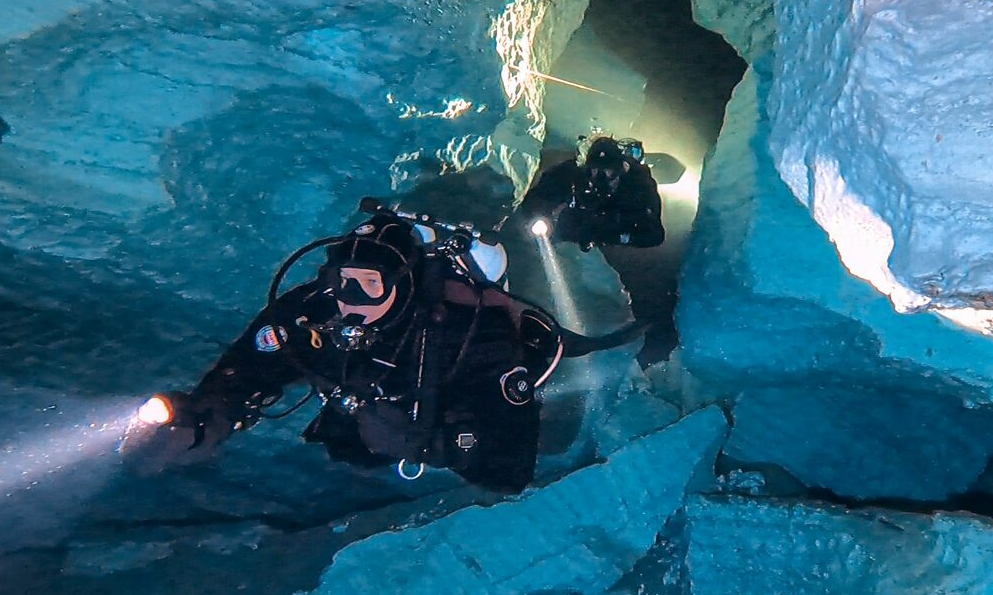
Designed for divers and explorers who crave the silence, darkness, and precision of karst cave systems, this platform connects you with certified instructors, highly trained guides, and curated speleo routes beneath the limestone terrain of southern Italy. Every descent is planned with meticulous attention to gas logistics, line management, and contingency procedures, turning complex cave environments into structured, controlled exploration scenarios that respect both geological formations and diver safety protocols. You can join introductory cavern circuits, advanced multi-stage penetrations, or night‑time speleo walks through decorated chambers, each itinerary tailored to your experience level and risk tolerance. From first‑time overhead environment visitors to seasoned technical divers seeking new navigation challenges, the focus remains on stable trim, clear communication, and disciplined environmental awareness.
Trips run in the karst belt around Castellana Grotte, where vertical shafts, horizontal tunnels, fossil galleries, and living dripstone features create a dense training ground for buoyancy control and line‑following discipline. Pre‑dive briefing sessions review cave maps, flow behavior, and restriction passages, while surface support teams monitor timing, emergency plans, and weather conditions that might affect access routes. Booking is streamlined and supported by multilingual coordination, allowing you to focus on equipment configuration, pre‑dive checks, and mental readiness rather than logistics and paperwork. Each outing emphasizes conservation standards, leaving formations untouched and visibility intact for future groups.
Why Choose These Karst Cave Expeditions
Precision‑Planned Technical Routes
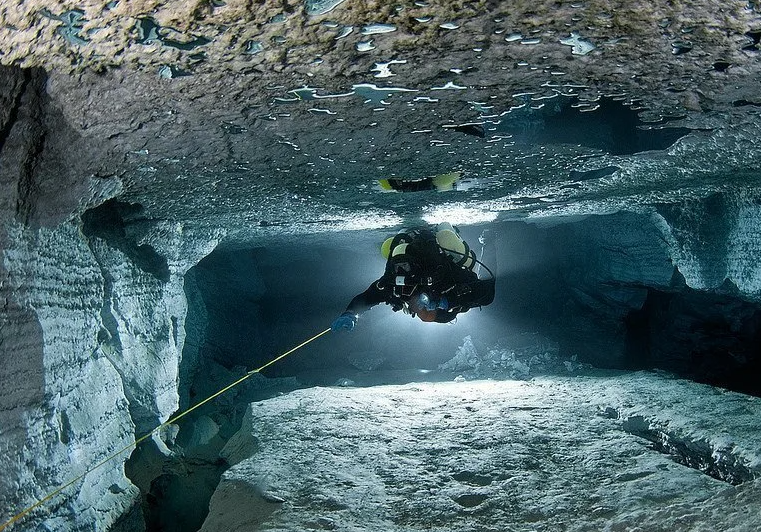
Route planning focuses on clear navigational logic, progressive penetration, and redundancy at every decision point, creating structured dives that respect individual comfort zones while gradually expanding your capabilities in overhead settings. Cave segments are scouted and documented to record depth profiles, flow variability, silt pockets, and low‑ceiling restrictions, so you can anticipate conditions before submerging. Guides coordinate gas planning with reserve rules, stage drop strategy, and emergency exits, ensuring that divers understand both primary and alternate routes. The approach favors conservative limits, disciplined turn‑pressure management, and detailed post‑dive debriefs to analyze performance and refine future objectives.
Experienced Speleo & Dive Instructors
Instructors come from mixed backgrounds in speleology, rescue training, and advanced scuba disciplines, bringing a practical blend of theory and field experience to every briefing. They teach clear protocols for guideline handling, backup light management, and team positioning, keeping communication simple even in low‑visibility or narrow sections. New guests are introduced to karst morphology and cave formation processes, building respect for fragile stalactites, stalagmites, and flowstone structures. For more advanced participants, instructors help refine propulsion techniques, trim stability, and task‑loading strategies required for multi‑stage dives, sidemount configurations, and complex navigation in branching passages.
Safety‑First Framework & Environmental Care
Every activity is governed by conservative depth and time limits, backup planning, and robust emergency procedures that treat overhead environments with the seriousness they demand. Redundant lighting, reliable regulators, well‑maintained cylinders, and stable harness systems are mandatory, and pre‑trip equipment checks are conducted with documented checklists. Divers are coached to minimize contact with the cave floor and walls, preserving visibility by avoiding unnecessary fin kicks and gear dragging. Surface intervals include safety talks, hydration guidance, and cold‑temperature management tips, ensuring that participants stay physically and mentally prepared for subsequent dives or speleo walks without overexertion.
Tailored Experiences for Different Skill Levels
Whether you are transitioning from open‑water diving to your first guided cavern exploration or returning to refine technical cave skills, itineraries are adjusted to match your current training and long‑term goals. Introductory routes focus on wide spaces, strong natural light sources, and simple navigation, while more advanced programs integrate restrictions, complex line layouts, and multi‑gas planning. Non‑divers can still participate through dry cave tours and speleo experiences that highlight geological features, acoustic qualities, and the unique microclimate inside karst systems. Small group sizes and clear communication protocols keep the atmosphere controlled, allowing each person to concentrate on learning, observation, and personal enjoyment.
Transparent Logistics & Booking Support
Trip coordination covers equipment rental options, transportation planning from nearby hubs, and timing aligned with cave access regulations, making it easy for international guests to join without handling complex local arrangements. Pricing policies avoid hidden fees, with clear descriptions of what is included in guided dives, training modules, and speleo tours. Participants receive digital briefing packs with packing lists, medical considerations, and recommended fitness preparation for overhead environments. Support channels remain open before and after the trip, allowing you to clarify doubts about certification requirements, equipment compatibility, and seasonal conditions that might influence route selection.
Local Karst Knowledge & Cultural Context
Guides share background on the regional karst plateau, historical exploration efforts, and conservation initiatives that protect the cave systems around Castellana Grotte. During surface breaks, you can discover nearby viewpoints, educational exhibits, and local food spots that turn each expedition into a broader travel experience. Briefings touch on how water flow, rock composition, and time shape underground chambers, helping divers understand the logic behind cave architecture and risk assessment. This context builds deeper appreciation for the environment, transforming each trip from a simple adventure into part of a continuing story of exploration and preservation.
About the Karst Expedition Collective
The operation is built by a collective of cave divers, speleologists, and logistics coordinators who live and work around the karst region of southern Italy. Their shared objective is to open access to complex cave systems in a controlled, respectful, and educational way. Instead of treating caves as simple attractions, they recognize them as fragile environments where water, minerals, and time have carved galleries over thousands of years. The team balances adventure and responsibility, designing itineraries that challenge divers and explorers without ignoring the limits set by geology, physics, and human endurance.
Members come from backgrounds in rescue teams, technical dive training, geology, and environmental protection, giving the organization a multi‑disciplinary foundation. They build relationships with local authorities, landowners, and researchers to ensure that expeditions follow current regulations and best practices. Educational content is integrated into trips through short talks, visual aids, and practical demonstrations that show how karst systems evolve and why proper behavior underground is essential. This combination of technical skill and storytelling helps participants connect emotionally and intellectually with the environment they visit, rather than just passing through for a single thrill.
Operational routines emphasize clear roles and communication chains during each outing. Surface coordinators track timelines and emergency contacts, while guides manage in‑cave decisions with pre‑agreed signals and response plans. Equipment is maintained according to strict schedules, and incident‑reporting protocols are in place to review any unexpected events. Over time, lessons learned from each expedition feed back into planning documents, improving route description accuracy, hazard identification, and participant briefing quality. This continuous refinement keeps the organization agile and prepared for changing conditions above and below ground.
The collective also invests in local community engagement by supporting educational visits, youth programs, and collaboration with environmental groups. Visitors are encouraged to see karst caves not only as spaces for exploration but also as archives of natural history and climate information. Through carefully structured trips, the team aims to build long‑term respect for cave environments among divers, hikers, and travelers who may later explore other regions. This mindset helps ensure that the impact of each group remains as low as possible, keeping formations intact and preserving clarity of water and air for future generations of explorers.
Expedition Programs & Available Services
Introductory Cavern & Karst Walk Experiences
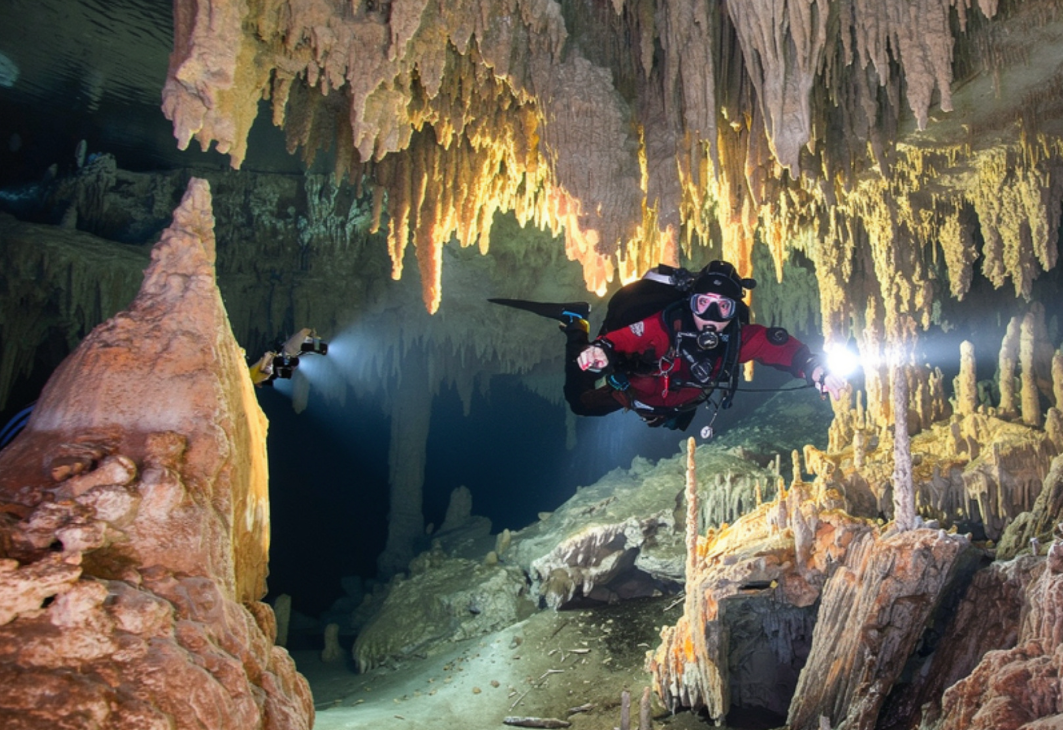
Entry‑level outings are designed for curious travelers and divers who want structured exposure to overhead environments without immediately entering complex cave segments. Cavern dives remain close to natural light zones and wide chambers, using simple routes to teach guideline awareness, buoyancy refinement, and basic silt management. Dry karst walks explore decorated passages, fossil features, and acoustic phenomena inside chambers, guided by experts who explain formation processes and conservation rules. These sessions emphasize slow movement, careful observation, and controlled breathing, offering a calm yet memorable introduction to the underground world.
Advanced Technical Cave Diving Itineraries
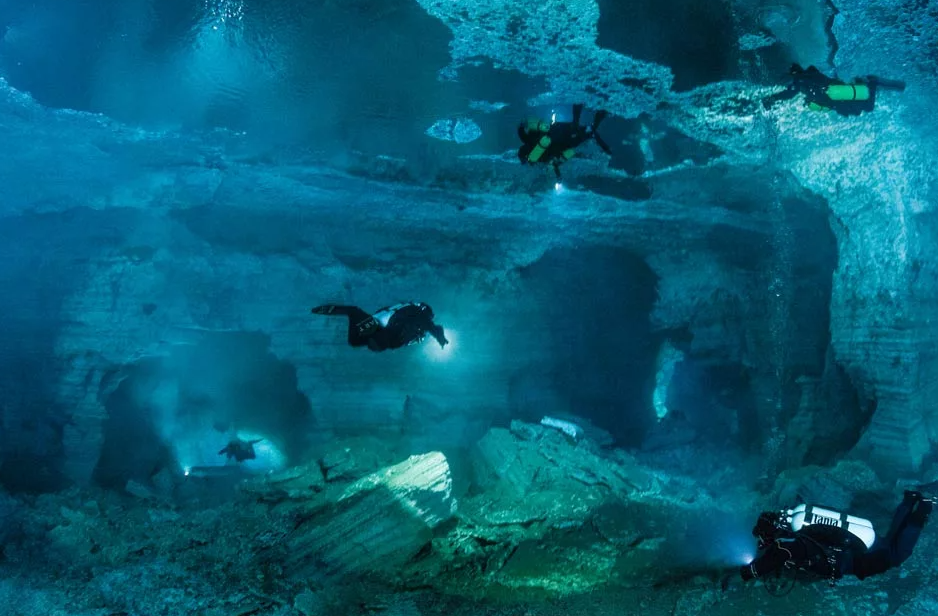
For certified technical divers, tailored itineraries include multi‑stage routes, sidemount configurations, complex junctions, and full penetration plans that require disciplined planning and execution. Briefings cover line layout diagrams, bailout strategies, decompression considerations, and equipment redundancy. Guides monitor team discipline, spacing, and communication throughout the dive, adapting dynamically to visibility changes and flow variations. Post‑dive discussions analyze performance, gas consumption patterns, and navigation decisions to prepare participants for progressively more demanding routes and future expeditions in other karst regions.
Night Speleo Tours & Multi‑Sensory Routes
Night speleo tours take guests into cave segments after daylight hours, using helmet‑mounted lights to create focused beams that reveal textures and shapes usually hidden during standard visits. Partial darkness heightens perception of subtle noises, drop patterns, and airflow changes throughout tunnels, helping participants appreciate how sensitive the underground environment is to human presence. Routes are selected to balance accessibility with immersion, and group sizes remain limited so that time spent in each chamber feels unhurried. Safety protocols remain strict, with clear spacing rules, redundant lighting, and continuous position tracking by experienced speleologists.
Equipment Rental, Configuration & Checks
Participants can access properly maintained diving equipment and protective gear, including cylinders, harness systems, regulators, lights, and safety accessories suited to overhead environments. Configuration support helps divers adapt familiar setups to cave‑appropriate layouts, covering hose routing, backup systems, and streamline principles that reduce entanglement risks. Before each outing, guides perform detailed checks with guests, ensuring that all gear functions reliably, fits correctly, and matches the planned route characteristics. This structured preparation minimizes last‑minute issues and allows the team to focus on safe, enjoyable exploration under the surface.
Training Workshops & Skill Development Modules
Workshops target key cave‑diving and speleo skills such as precise buoyancy control, propulsion choice in confined spaces, emergency line recovery, and communication under stress. Sessions mix theory and in‑water practice, giving divers time to repeat drills until movement becomes efficient and controlled. Instructors emphasize mindset and mental rehearsal techniques that improve performance and reduce anxiety in overhead situations. Non‑divers can join educational modules focused on karst science, mapping basics, and conservation practices, broadening the audience while maintaining high technical content for those interested in deeper knowledge.
Trip Coordination, Support & Follow‑Up
Support extends beyond the moment you enter and exit the cave. Coordinators assist with arrival planning, accommodation suggestions, and transport arrangements from nearby cities, aligning schedules with cave access hours and seasonal conditions. After your visit, you can receive summaries of routes completed, skill focus points, and recommendations for next steps in your personal training path. Communication channels stay open for questions about future expeditions, certification alignment, or gear upgrades. This ongoing connection turns each trip into a stepping stone in your broader exploration journey rather than a single, isolated event.