MS
Urban Micro Storage Compact City Self‑Storage
View Units

Smart Micro Self‑Storage Units Embedded in City Neighborhoods

This platform focuses on compact self‑storage micro units integrated directly into busy city blocks, designed for residents and small businesses that need secure space close to their daily routes rather than remote industrial warehouses. Each micro store is sized for everyday items, sport gear, archive boxes, e‑commerce inventory or seasonal equipment, optimized for quick drop‑off and pick‑up with digital access and clear zoning inside the unit grid. Intelligent layout planning allows narrow corridors, vertical racks and modular partitions that transform unused ground‑floor or courtyard rooms into functional micro depots without disrupting neighborhood flow. Customers use app‑based codes to unlock individual units, track usage times, and manage payments without on‑site paperwork, which keeps operations lean while still maintaining strict access control. Staff remotely monitors entry logs and sensor data, coordinating cleaning and maintenance during low‑traffic periods. For urban dwellers with limited apartment storage and freelancers that need small but reliable space, these micro facilities turn leftover square meters into practical, always‑near storage infrastructure.

Digital access codes Climate‑aware units Short‑term and long‑term
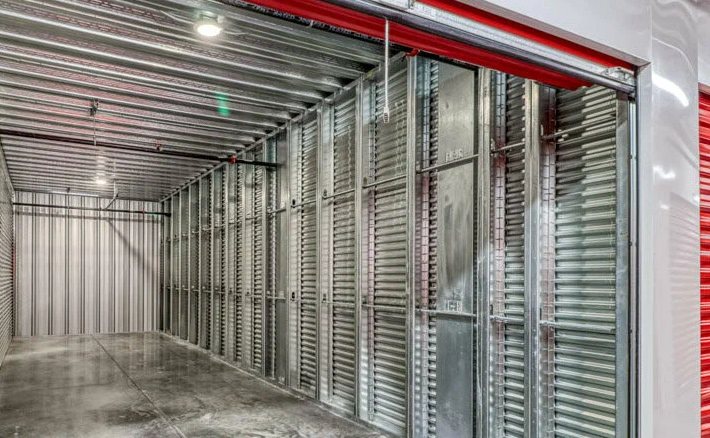
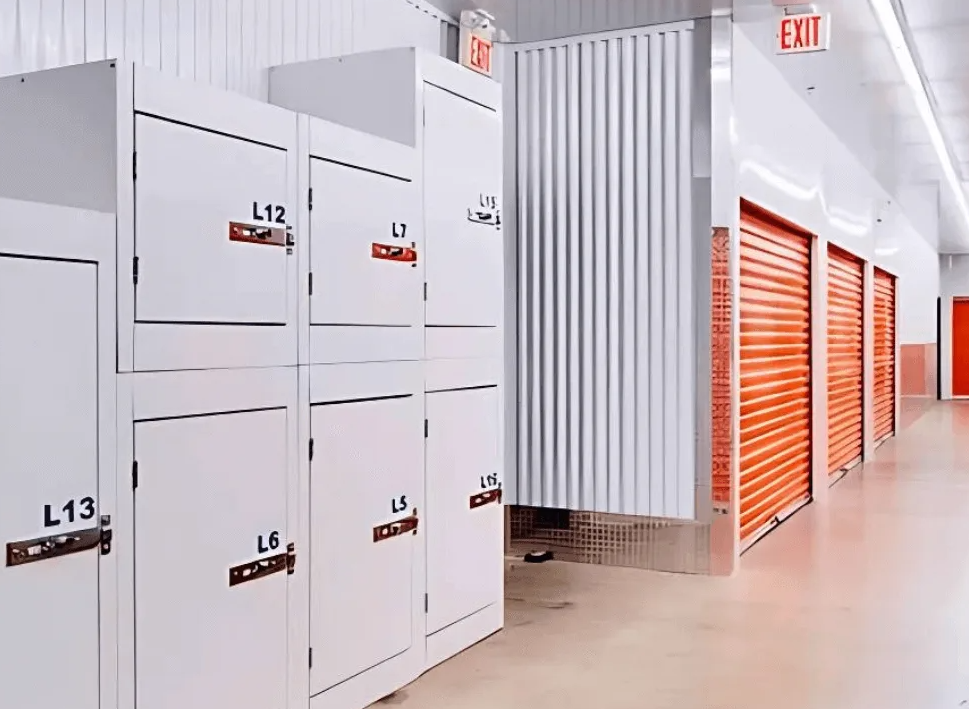
Micro storage units interior

Key Micro Storage Advantages for Urban Users

The concept centers around carefully dimensioned micro units that are hand‑matched to typical city storage needs rather than oversized industrial boxes, which keeps pricing fair and helps users avoid paying for unused cubic meters. Each location is selected within walking distance of residential streets and mixed‑use buildings, allowing tenants to stop by on the way to work, the gym, or transit hubs. Interior planning focuses on ergonomic shelving, clear lighting and labeled sections so that even a small footprint remains easy to navigate without clutter. For security, controlled entry systems with rotating PINs and individual lock hardware protect each compartment, while common corridors are covered by discreet camera monitoring and tamper‑evident doors. Noise‑conscious construction materials and soft closing mechanisms ensure the facility blends politely with surrounding apartments and offices, respecting both local regulations and neighborhood comfort. Transparent digital dashboards show unit size, current tariff, and utilization metrics, making it simple for users to upgrade, downgrade or reconfigure space without long negotiations or paper contracts.

Beyond physical layout and digital tools, the team behind these micro depots provides guidance on density‑efficient packing techniques, box selection and labeling standards so that clients can extract maximum usability from every shelf and rack. Optional add‑ons, including document archive support, temperature‑moderated sections for gear that should avoid humidity spikes, and courier handover zones for e‑commerce sellers, turn the micro warehouse into a flexible, service‑rich node in personal or business logistics chains. Taken together, these design choices create a storage experience that feels native to city life: fast, discrete, and integrated with the rhythm of modern urban routines instead of forcing long drives to distant sites.
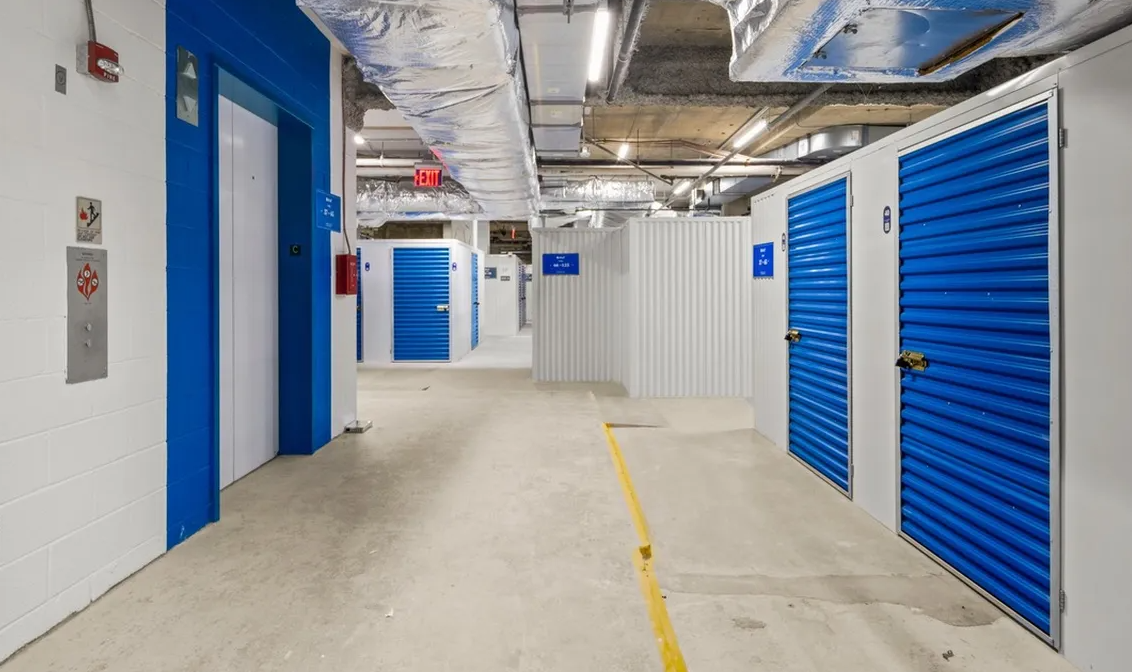
Secure city storage corridor
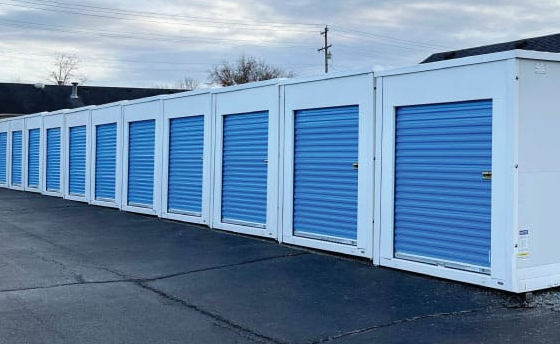
Urban building with storage access

About the Micro Storage Initiative

The storage initiative is operated by a collective of facility planners, logistics engineers and digital operations specialists who share a specific goal: converting underused rooms in dense city districts into structured micro warehouses where residents and small enterprises can store valuable items without leaving their neighborhood. Drawing on experience from self‑storage, co‑working and urban mobility projects, the team analyzes block‑level traffic, noise exposure and accessibility to choose locations that offer convenient access while meeting safety and building standards. Every site undergoes detailed fit‑out, installing partition walls, galvanized shelving, reinforced doors, lighting grids and environmental controls that keep units dry, ventilated and orderly. Digital integration is handled with custom access software, payment routing, user identity management and activity logs, all built to support remote supervision and efficient customer support.

During setup, local contractors and security consultants collaborate to ensure compliant fire exits, signaling, and emergency procedures. Staff trains users on how to arrange their goods in modular containers, explains limitations for hazardous or oversized items, and offers templates for inventory lists that sync with personal devices. Business clients, including online retailers, maintenance crews and creative studios, can reserve clusters of adjacent units to mirror their internal workflows while still keeping the level of privacy and lock control they require. In this structure, the micro warehouse behaves like an extension of the apartment or workshop, giving occupants the freedom to rotate equipment, marketing materials or stock through the city without sacrificing precious indoor space.

Micro Storage Services and Operational Features

Service coverage centers around flexible access to well‑scaled units, supported by app‑based booking and clear digital documentation. Customers can reserve space for a few weeks, a season or an entire year, choosing dimensions suited to archive boxes, sports equipment, promotional materials or compact inventory catalogues. Booking confirmation delivers an access code, unit diagram and conditions regarding what can be stored, while the app keeps a running record of entry times and billing status. On‑site, motion‑sensitive lighting, barrier‑free corridors and signposts simplify navigation, especially for users visiting early mornings or late evenings. Remote support agents respond to queries about door codes, missed payments or upgrading unit size, and they coordinate physical interventions if locks need servicing or contents must be checked against compliance rules.

Additional services include curated packing kits with labeled boxes, bubble wrap and document folders, training materials for organizing small merchandise batches, and optional support for courier drop‑off or pick‑up where permitted. Some units are arranged with racking suitable for bike storage or elongated tools, helping craftsmen and active residents manage their equipment away from living spaces. Environmental monitoring tools track humidity and temperature trends, allowing operators to identify issues early and maintain stable conditions where sensitive goods are stored. For business renters, monthly performance summaries show how often units are accessed, which can inform internal logistics decisions. The result is a micro storage environment that blends compact physical infrastructure with robust digital management, giving users a dependable, nearby depot tied closely to their day‑to‑day city life.

Digital access control for storage

Contact and Location

The primary micro storage facility described here is situated in a central Milan neighborhood, within walking distance of transit and commercial streets, making quick access for unit holders straightforward throughout the week.

Address: 25 Via Torino, 20123 Milan, Italy

Phone: +39 02 1234 5678

Email: citymicrostorage-rush@gmx.com

Facility visit times, unit availability and detailed service options are managed through digital channels to keep communication streamlined. Prospective users can request more information about current capacities, applicable usage rules and pricing tiers, while existing tenants may adjust reservation periods or upgrade unit types via remote contact.

Operators pay close attention to local regulations and neighborhood expectations, so feedback about noise, cleanliness or access conditions is encouraged and processed promptly. This responsive approach helps maintain a well‑run micro storage environment that coexists comfortably with nearby homes, shops and offices.