Eco Diving Reef Cleanup Adventures
Guided underwater cleanups & conservation tours
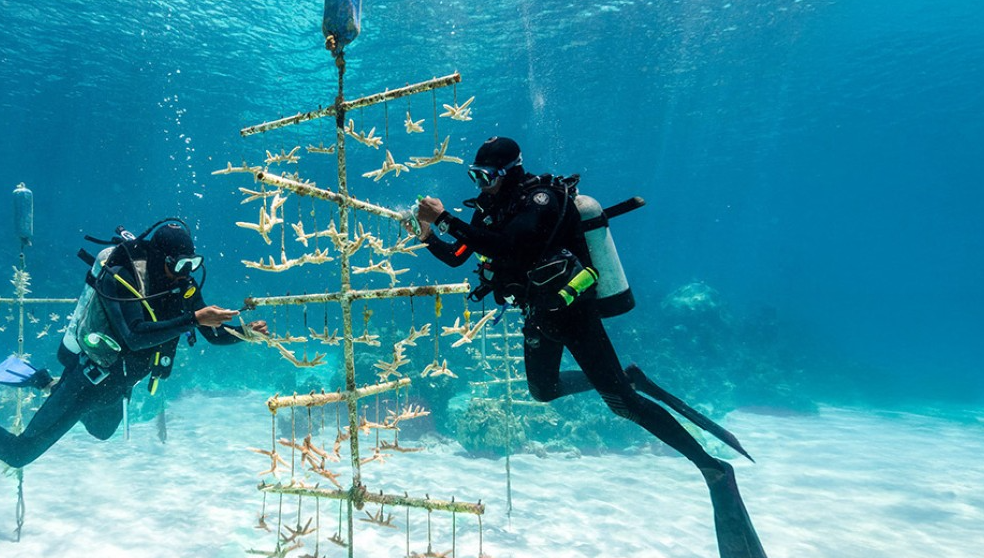
Our initiative focuses on eco‑minded diving experiences that combine reef cleanup operations, citizen science, and hands‑on marine conservation along the Greek coastline. Divers and non‑divers join small groups led by experienced guides and marine biologists to remove ghost nets, plastics, and derelict gear from fragile reef habitats. Each trip blends safe underwater practices, environmental briefings, and surface workshops on sustainable ocean travel, ensuring participants leave with practical skills and a deeper understanding of local ecosystems. With streamlined booking, transparent logistics, and carefully selected dive partners, every outing is designed to be impactful, responsible, and memorable for volunteers at all experience levels.
Why Join Our Reef Cleanup Tours
Structured, responsible, impact‑oriented diving
Our project offers curated eco dive experiences designed for people who want their time underwater to actively support reef recovery and coastal protection. Trips are planned with strict environmental guidelines, small group sizes, and collaboration with local conservation initiatives. Participants receive detailed pre‑dive briefings about target areas, species at risk, and debris types most harmful to marine life, then log collected materials and observations for partner organizations. Each tour balances safety, comfort, and impact: we prioritize calm conditions, appropriate depths, and appropriate tasks for every certification level, creating an accessible way to contribute meaningfully to healthier seas.
Impact‑Focused Dive Itineraries
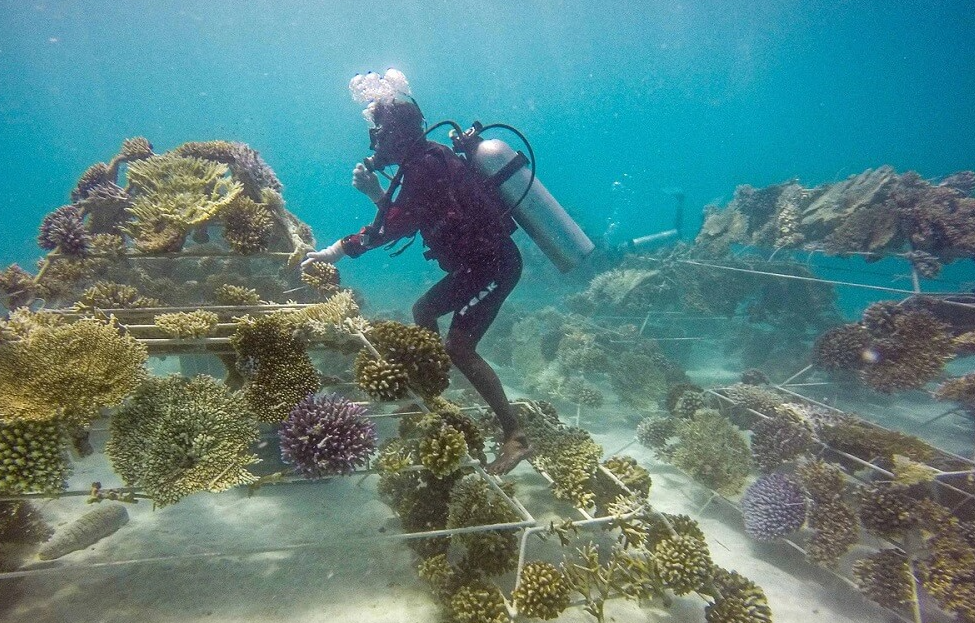
Dive days are built around specific cleanup goals, from extracting ghost gear to clearing fishing lines from reef structures. Routes and timings are chosen to maximize safety while targeting areas with documented pollution issues. Briefings explain what to remove, what to avoid touching, and how to handle debris without damaging corals or sponges. This structure ensures every descent combines the excitement of exploration with carefully managed environmental benefit.
Collaborations With Local Initiatives
We coordinate with regional NGOs, harbor authorities, and grassroots reef protection groups to align our efforts with ongoing marine restoration programs. Collected data and materials feed into wider campaigns that track pollution sources and long‑term trends. By working alongside established actors, volunteer dives support both immediate cleanups and strategic environmental planning.
Ethical & Transparent Operations
Our approach includes clear communication of risks, responsibilities, and environmental standards before booking. There are no hidden fees or surprise conditions; equipment packages, locations, and logistics are laid out in detail so participants understand how their contribution fits into the broader conservation picture. This transparency builds trust and encourages repeat involvement in long‑term reef stewardship.
Our Story & Mission
From citizen divers to coordinated reef defense
The project grew out of a community of divers, sailors, and coastal residents who were repeatedly confronted with littered seabeds and damaged reef zones during everyday outings. Instead of treating pollution as an inevitable backdrop, the group began organizing small‑scale cleanup descents and documenting what they recovered. Over time, these grassroots efforts became structured volunteer programs with standardized safety procedures, data reporting, and collaboration with marine scientists. Now, participants join multi‑day experiences that blend training, underwater operations, shoreline sorting sessions, and workshops on sustainable gear, travel, and waste reduction, turning concern for the ocean into organized action.
Every outing is designed to be inclusive. Certified divers handle underwater tasks, while non‑divers help with shore‑based sorting, monitoring, and logistics support. The team prioritizes education, explaining how reef ecosystems respond to stress and recovery, and how small changes in individual behavior contribute to large‑scale improvements. By documenting debris types, weights, and locations, volunteers contribute to datasets that help identify problematic fishing practices and waste management gaps, strengthening advocacy for better policies.
What We Offer Volunteers & Divers
Cleanup expeditions, training, and citizen science
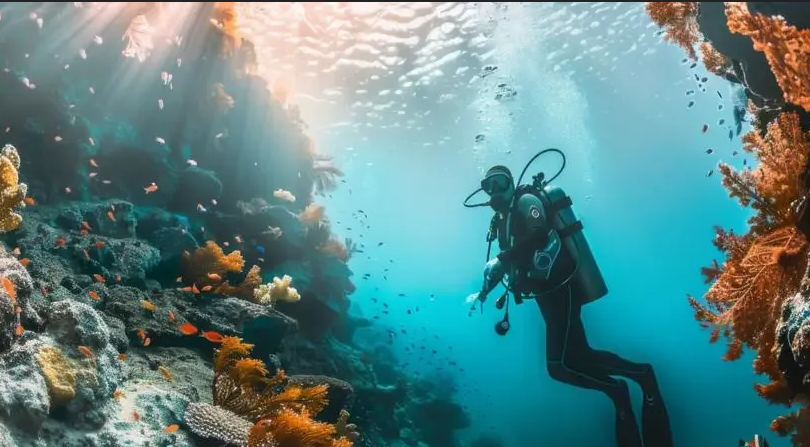
The program includes structured services for individuals, groups, and organizations seeking meaningful marine engagement. Eco dive packages cover guided cleanup descents, equipment rental options, and environmental briefings led by experienced guides. Surface activities range from debris sorting stations and microplastic sampling to data workshops where participants learn how to log findings for partner initiatives. Multi‑day camps combine dives with coastal cleanups, meetings with local environmental actors, and sessions on reducing ocean‑bound waste at home and in business operations.
Guided Reef Cleanup Dives
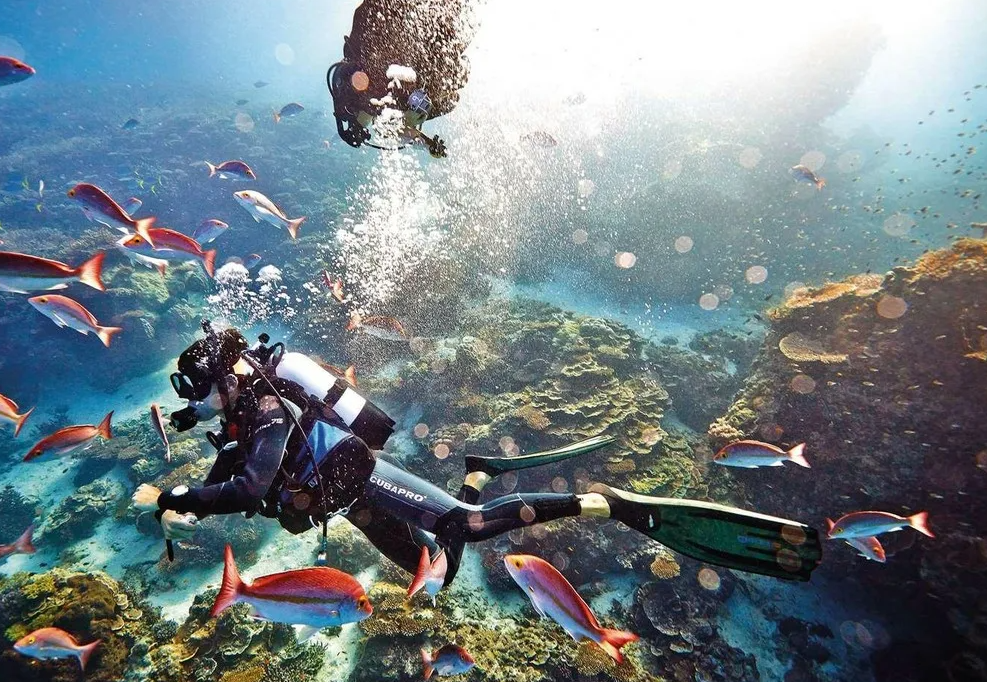
Small‑group underwater sessions led by trained guides focus on safe debris removal from reef structures, sandy bottoms, and harbor approaches. Depths and times are matched to certification level, with clear instructions on gear handling, lift‑bag usage, and communication. All dives follow strict environmental protocols to avoid contact damage.
Citizen Science & Data Logging
Participants learn how to categorize and record recovered materials, note GPS positions, and capture photographic evidence. These records feed into partner databases tracking pollution hotspots and long‑term trends. Training is accessible to newcomers and offers advanced modules for those wanting deeper involvement.
Educational Workshops & Outreach
Shore‑based sessions cover topics like reef ecology, sustainable fishing, circular waste management, and responsible travel. Organizations can request customized briefings for staff or students, tying local cleanup actions to global ocean health discussions. These educational elements help transform one‑time participation into ongoing advocacy.