Shipwreck Dive Charters
Deep wreck diving charters on fully equipped yachts and dive boats from Naples.
Dedicated to underwater explorers and technical divers, this charter operation provides meticulously outfitted vessels for wreck diving expeditions along the Gulf of Naples and surrounding Tyrrhenian routes. Each trip combines safety‑focused planning, redundant gear setups, and local maritime knowledge to reach historic shipwrecks and lesser‑known dive sites with precision. From compact fast boats for small technical teams to spacious yachts configured for multi‑day expeditions, every vessel features optimized deck layouts, secure equipment stowage, and on‑board briefings tailored to the chosen wreck profile. Expert crew support, decompression‑friendly schedules, and navigation based on real‑world wreck mapping ensure that each descent feels controlled, immersive, and log‑worthy for both advanced and seasoned divers.
Base Port
11 Via del Porto, 80100 Naples, Italy
Booking line
+39 081 000 45 21
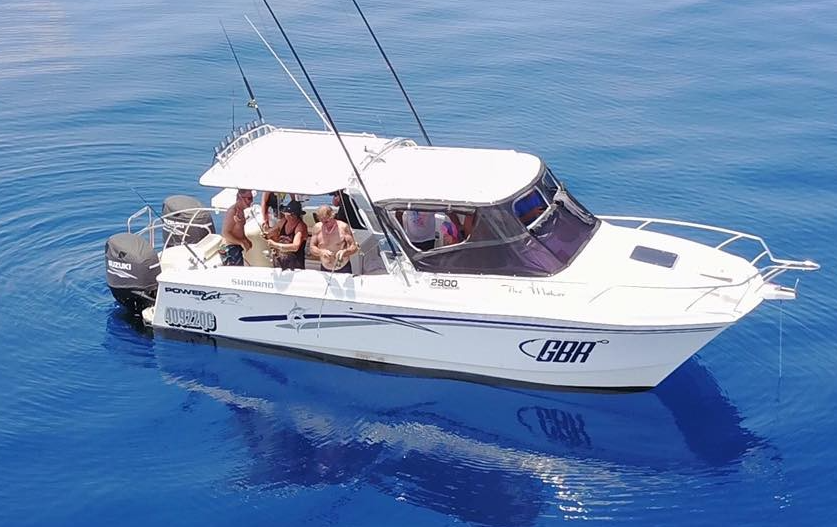
Gulf of Naples • Wreck Routes
Vessels are configured with stable entry points, gear benches, and clearly segmented wet and dry zones, allowing dive teams to gear up methodically while maintaining clean pathways to ladders and platforms. Dedicated storage for reels, stages, cameras, and backup lights keeps equipment accessible but secure, reducing pre‑dive clutter and streamlining movement before and after each immersion.
Expedition briefs include route overviews, expected currents, depth profiles, and contingency plans for each wreck stop, helping teams build realistic bottom times and decompression strategies in advance.
Why divers choose us
Purpose‑built wreck charter advantages.
Configured platforms for wreck‑focused diving
Each vessel in this fleet is configured specifically around wreck‑diving workflows rather than generic sightseeing, meaning deck plans emphasize clean gear staging zones, redundant entry points, and clear separation between wet and dry areas. Benches, hang points, and storage lockers have been arranged to make handling doubles, stages, and reels practical even in tight surface windows. Surface intervals are supported with shaded spaces, hot drinks, and equipment maintenance spots so teams can prepare for subsequent descents without feeling rushed. Lighting, ladders, and recovery setups are optimized for divers carrying technical configurations, cameras, or scooters, allowing controlled entries and exits even in chop or low‑visibility surface conditions.
Local wreck intelligence and navigation expertise
Charter routes are built around accumulated knowledge of regional shipwrecks and submerged structures, combining historical references with practical navigation tracks logged over multiple seasons. Crews know how to approach each site based on prevailing currents, seasonal changes, and traffic patterns, which increases the chance of accurate drop points and predictable ascent lines. Briefings outline hull orientation, likely silt pockets, and fragile sections so divers can prioritize safe circuit patterns and maintain visibility for the entire team. When conditions shift, alternative sites are pre‑planned so the day’s objectives stay realistic without compromising safety, whether the aim is documenting a particular bow section or simply experiencing a first wreck descent.
Support for both recreational and technical profiles
Trips are structured to accommodate a range of training backgrounds, from recreational divers completing their first wreck penetrations to experienced technical teams running staged decompression plans. Gear racks, fill logistics, and on‑board storage are designed to accept singles, twins, side‑mount rigs, and various stage configurations without forcing improvisation. Briefings differentiate between recreational and technical passes over a wreck, clarifying depth limits, recommended penetration zones, and appropriate time management for each profile. On‑surface routines such as checklists, buddy confirmations, and equipment inspections are encouraged but not rushed, so both styles of diving benefit from a repeatable, disciplined flow.
Safety‑driven planning and redundancy
Operational planning places safety and redundancy above spectacle, which means routes, schedules, and wreck selections are all filtered through realistic bottom time limits and decompression windows. Boats carry backup navigation instruments, communication equipment, and contingency supplies for unexpected delays or weather shifts. Surface teams support divers with timekeeping, gas tracking, and emergency response readiness, while clear signals are agreed before each descent. This approach allows exploration of complex structures without sacrificing conservative margins, giving divers confidence that conditions on the surface are under control while they focus on the wreck below.
Flexible charter formats and transparent costs
Whether the objective is a single half‑day exploration or a multi‑day series of wreck dives, charters can be booked in formats that align with team size, training plans, and weather windows. Pricing is laid out clearly before confirmation, including fuel, crew, and port fees so groups can allocate budgets without guessing. Routes and time slots are adapted around tides, forecasts, and traffic, and communication remains open as conditions evolve. This flexibility is particularly valuable for visiting teams and training agencies who need to integrate classroom sessions, equipment preparation, and multiple dive days into coherent schedules based out of Naples.
Integration with local maritime and harbor services
Operating from an active harbor allows direct access to repair services, local suppliers, and harbor support when charters extend over several days. Equipment issues can be addressed between dives, from minor hose replacements to more involved maintenance, without derailing the plan. Local knowledge extends beyond wreck locations to include port procedures, traffic patterns, and nearby service providers that help keep charters running consistently. For diving groups, this translates into smoother logistics, reliable departure windows, and realistic expectations about what can be achieved in any given weather system or season.
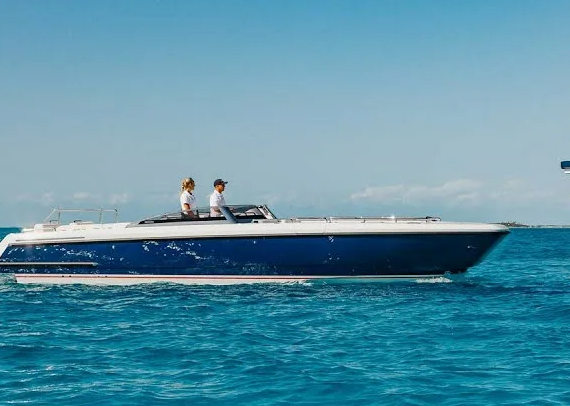
Deck layouts • Gear staging
Vessels are mapped out to accommodate camera rigs, reels, and spare equipment without obstructing primary pathways, so divers can move between benches, ladders, and platforms with minimal contact and predictable footing.
These layouts reduce pre‑dive stress and help maintain clear communication on deck, especially when multiple teams are preparing for successive wreck descents on the same route.
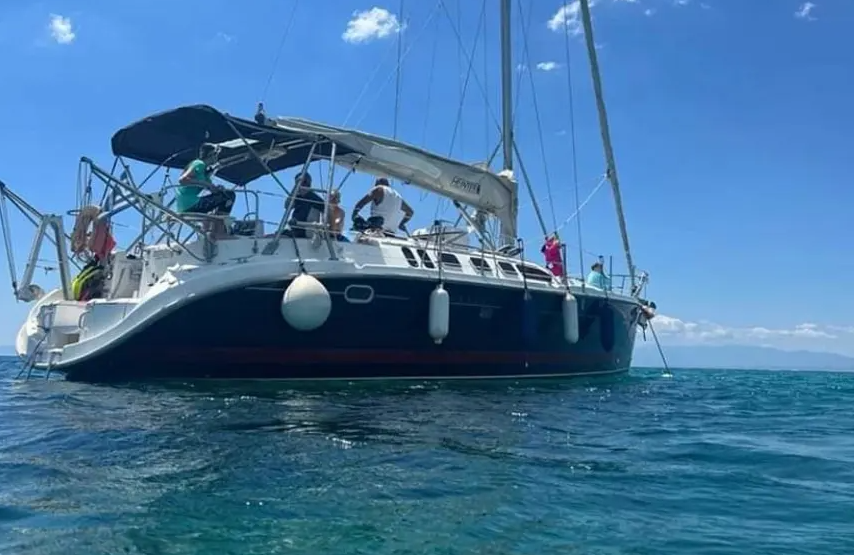
On‑board comfort • Briefing spaces
Cabins and saloons are arranged to allow detailed route briefings and post‑dive debriefs in quiet spaces away from gear zones, giving divers room to review maps, plan future descents, and manage logs.
Multi‑day trips benefit from this separation of functional areas, keeping living zones free from equipment clutter while maintaining quick access to deck operations when needed.
About the charter operation
A wreck‑driven charter built around divers’ routines.
This wreck‑oriented charter concept grew out of repeated experiences on general‑purpose boats that were not fully aligned with technical and wreck divers’ requirements. Founders brought together local skippers, experienced wreck explorers, and logistical planners to design routes, deck layouts, and on‑board routines that feel natural to divers who live by checklists and structured briefings. Rather than chasing random sites, expeditions are organized around specific hulls, cargo fragments, and structural features that reward slow, methodical exploration. Attention to how divers move, gear up, and decompress informs everything from ladder placement to hot drink stations, making each trip feel like an extension of carefully planned dives rather than a generic tour.
Collaboration with local harbor staff and regional maritime enthusiasts has added depth to route planning, providing insight into lesser‑known wrecks and submerged structures that do not always appear in standard guidebooks. Seasonal patterns, water temperatures, and visibility trends are monitored so charters can recommend realistic time windows for particular objectives, including deep bows, collapsed cargo sections, or scattered debris fields. This long‑view perspective helps returning teams build multi‑season projects around documentation, photography, or training progression while still leaving room for exploratory dives when conditions permit.
The charter maintains an emphasis on clear communication, encouraging divers to share expectations regarding training goals, camera work, or personal limits before routes are finalized. That openness supports balanced decisions about which wrecks to attempt on a given day and how to structure ascent plans. On‑board, the crew remains focused on reliable timekeeping, watchful surface support, and practical assistance rather than pushing divers beyond comfortable margins. Over time, this combination of consistent operations and respect for individual goals builds trust, making the harbor in Naples a recurring base for groups developing their own wreck portfolios in the region.
Charter services
Structured wreck diving services for focused expeditions.
Tailored wreck routes and vessel selection
Teams can book single‑day or multi‑day wreck routes built around training plans, documentation projects, or purely exploratory descents. Vessel choice reflects group size, equipment load, and depth targets, with smaller fast boats supporting quick trips and larger yachts handling longer journeys and multi‑wreck schedules. Surface intervals are planned to balance decompression requirements, travel times, and harbor logistics so objectives remain practical within each weather window. Before confirmation, divers receive route outlines and approximate profiles, helping them prepare gas plans and equipment lists with confidence.
On‑board support and logistics handling
Crew members assist with equipment transfer, deck organization, and timing so divers can concentrate on checklists and briefings. From early‑morning departures to late return windows, logistics such as fuel, harbor permissions, and provisioning are handled in the background. On‑board, hot drinks, snacks, and basic comfort amenities help maintain focus during long days of multiple descents. Clear announcement routines and easy‑to‑read timing boards keep everyone aware of planned entry and ascent points, reducing confusion and preserving structured dive days.
Support for training agencies and workshops
Training organisations and instructors can reserve vessels for courses focused on wreck skills, penetration techniques, or technical progression. Routes, timings, and deck setups are adapted to match course outlines, including room for classroom segments on board or in harbor spaces. Repeated visits to the same wreck over several days help students build familiarity with orientation, allowing instructors to emphasise technique and discipline rather than constant site changes. These training‑friendly charters also make it easier to stage graduations, photography projects, or advanced workshops built around specific regional wrecks.
Photography and documentation support
Camera‑oriented teams benefit from deck layouts that prioritise safe handling of housings, lights, and rigs alongside comfortable access to entry points. Routes may be adapted to allow longer bottom times on selected sections, giving photographers space to capture hulls, machinery, or structural details. On‑board spaces offer clean, dry zones for battery changes and file backups between dives, and crew remain mindful of keeping cables, cases, and equipment clear of high‑traffic paths. This balance between operational structure and creative focus allows photography projects to unfold across multiple wrecks and days with minimal distraction.
Multi‑day expedition planning and harbor coordination
For longer trips, charters can be organised across several days with integrated harbour stays, equipment maintenance windows, and optional rest segments. Weather forecasts, port traffic, and regional events are monitored so expeditions remain realistic and safe without constant last‑minute changes. Schedules may include early starts, flexible return times, and contingency routes, particularly when targeting deeper wrecks or remote structures. This extended planning is handled in dialogue with diving teams, ensuring expectations stay aligned and each day contributes meaningfully to the overall expedition goals.
Seasonal recommendations and route advisory
Because visibility, currents, and traffic vary through the year, charter staff provide advisory input on which periods best suit particular wreck objectives. Some sites favour cooler seasons with lower traffic, while others shine during calmer, warmer windows. Divers can request guidance that matches their comfort levels and goals, helping them select date ranges and route structures that avoid unrealistic demands. This advisory layer makes it easier to align holidays, training blocks, and personal projects with conditions that genuinely support focused wreck diving rather than forcing compromises.
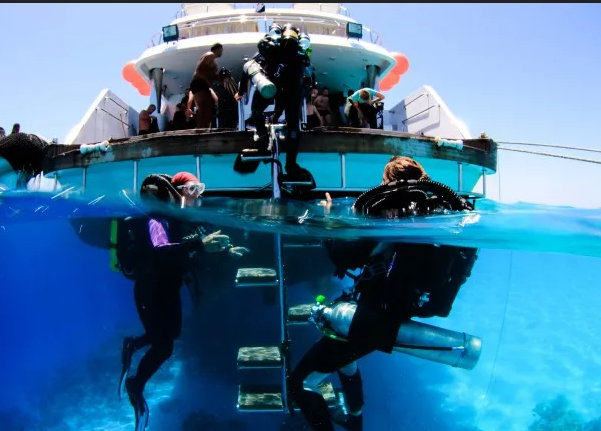
Routes • Gulf of Naples
Typical charters run across established wreck paths and flexible alternative sites, giving divers reliable choices when forecasts, visibility, or currents shift unexpectedly during a planned expedition.
Departure and return windows are coordinated with harbour operations in Naples, keeping access to services and logistics support readily available throughout the trip.